
Events
See list below for our upcoming events.
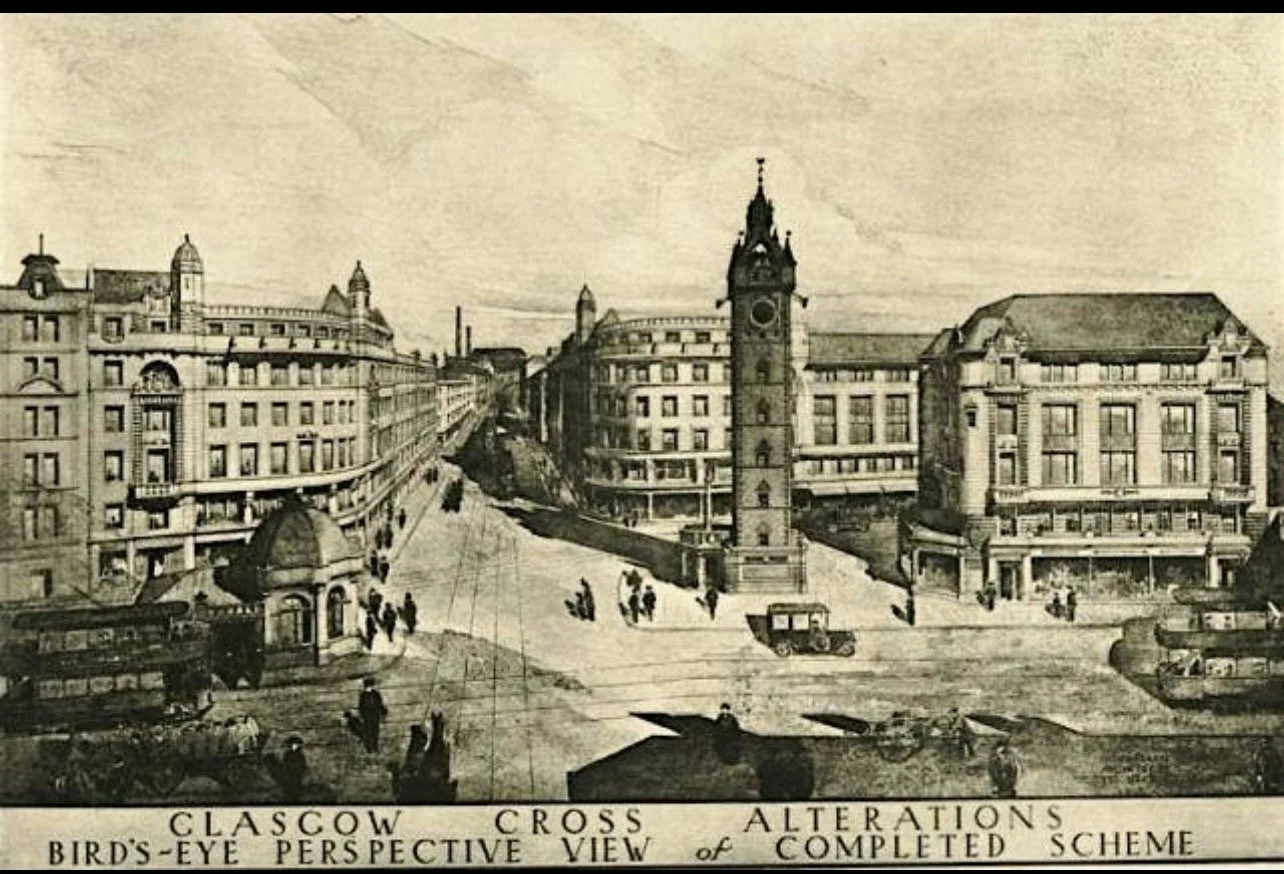
Glasgow: Looking back and looking forward
The urge to rebuild (destroy and rebuild depending on your perspective) is strong and persistent in Glasgow. So what lies ahead?
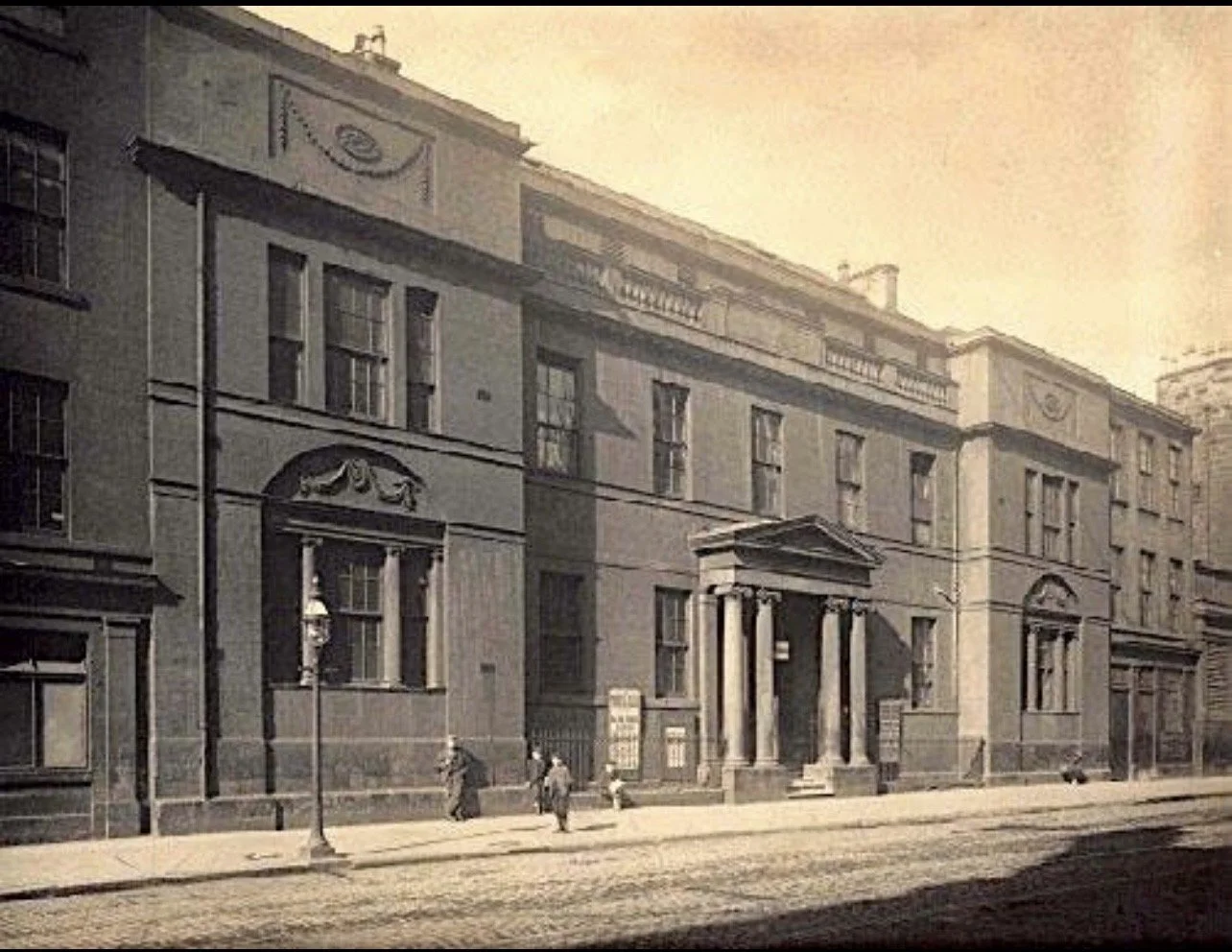
François Foucart: The Father of Physical Fitness in Glasgow
Overview
To coincide with Glasgow hosting the Commonwealth Games, Gary Nisbet looks at the life of someone who shaped the city's attitude to sport.
As Glasgow and Melbourne host the 2026 Commonwealth Games in July-August, sculpture historian Gary Nisbet reveals the story of Frenchman François Foucart (1793-1862), the 'Father of Physical Fitness in Glasgow', and the role of his son, Dr. Louis Foucart (1820-1899) as the 'Father of Physical Fitness in Australia', together with their founding of what is now Strathclyde University's sports faculty at the old Andersonian College in George Street in the 1830s.
Gary Nisbet is a researcher and historian with a special interest in sculpture, and the initiator of glasgowsculpture.com.
Glasgow 850 Talk: Grahamston, Glasgow's Forgotten Village
The village buried underneath Central Station, located at what would become one of the city's major crossing points. Kevin Scott explores.
A (sit down) walk along Sauchiehall Street
Overview
A new scheduled event replacing the previously scheduled talk on Glasgow’s Great Exhibition of 1901 due to speaker unavailability.
Dominic D’Angelo provides an architectural tour of Sauchiehall Street from Buchanan Street to Charing Cross: think of it as a walk with no walking or umbrellas required.
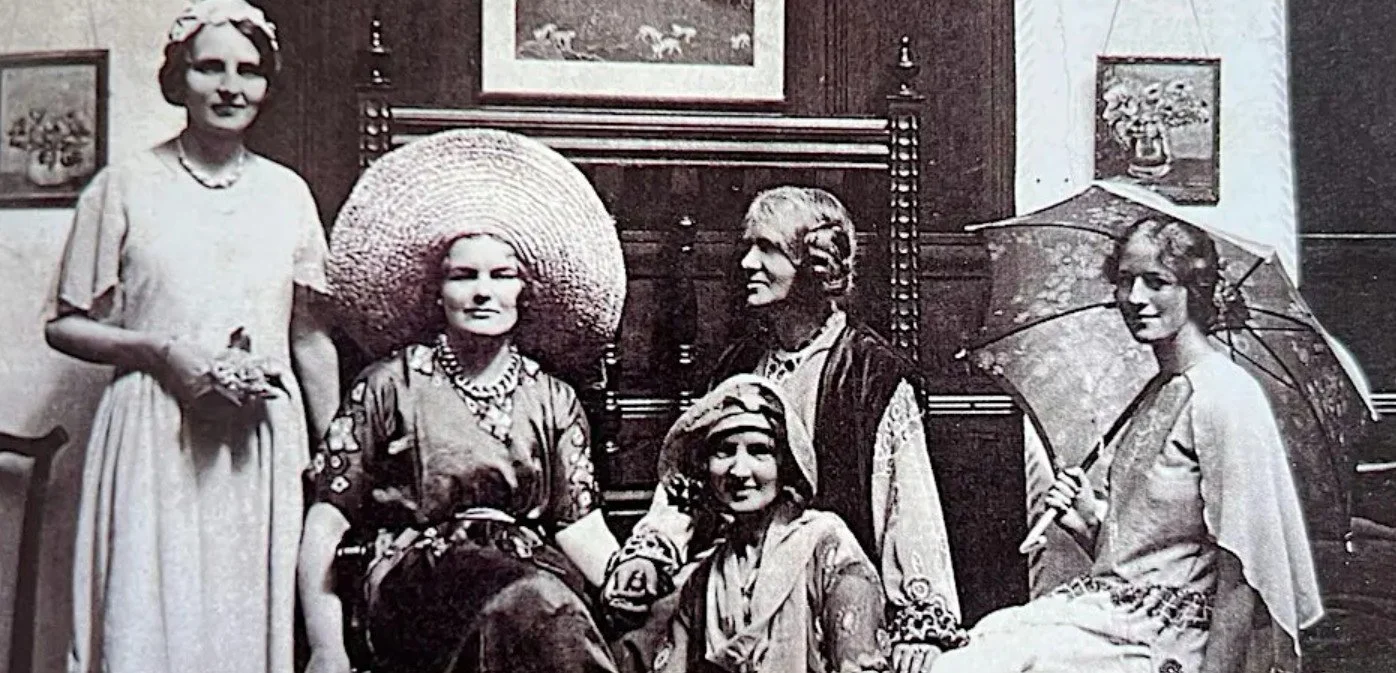
Glasgow 850 Talk: The Glasgow Society of Lady Artists (1882-1971)
Dr Karen Mailley explores the Glasgow Society of Lady Artists and the spaces they occupied.
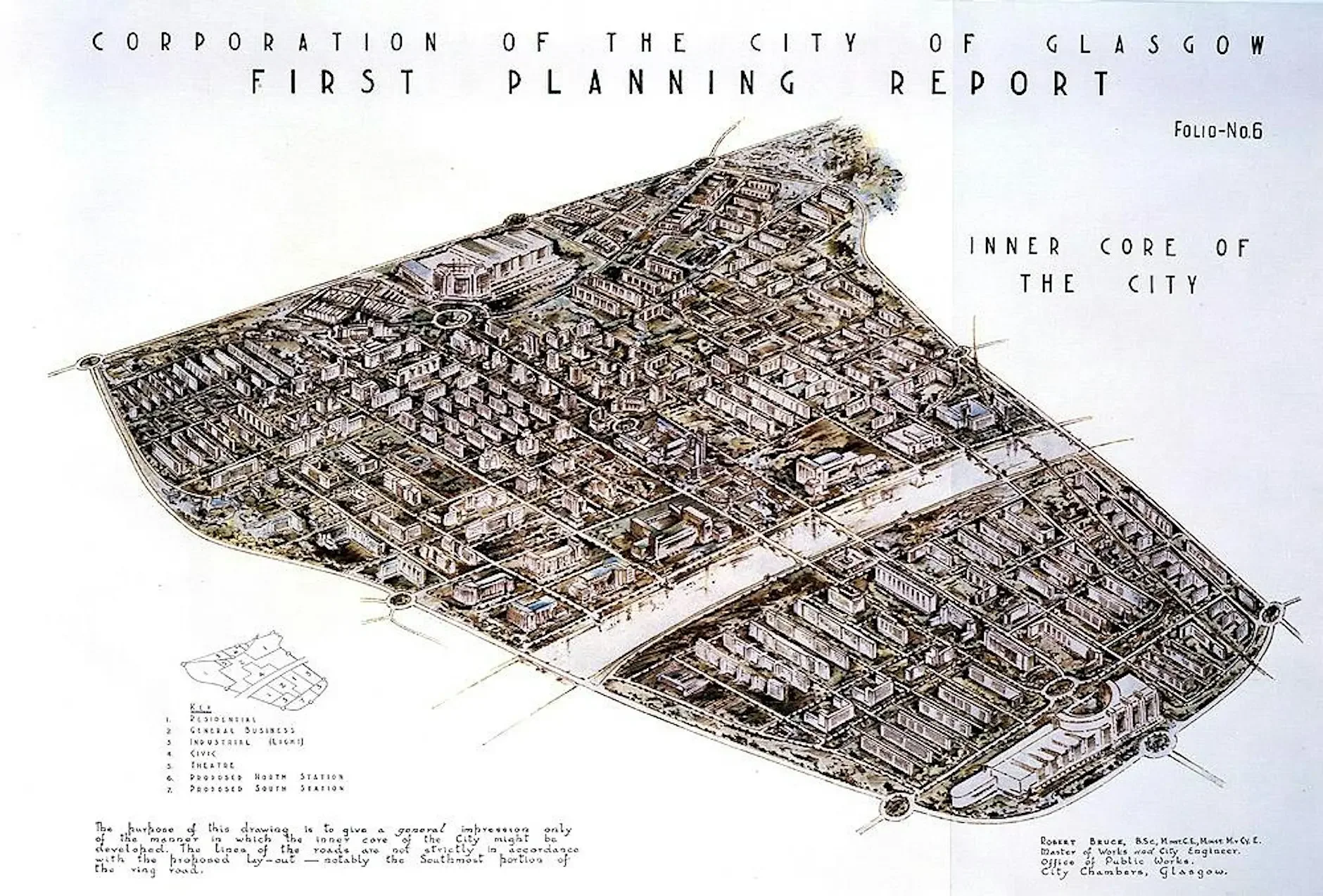
The Bruce Plan for Glasgow
Overview
Fergus Sutherland looks at the Bruce Plan, a proposal to almost completely replace the city centre....
By the mid-20th century, Glasgow faced severe urban challenges. Rapid industrialization during the 19th century had created dense tenement housing, much of it overcrowded and lacking basic amenities. Large sections of the population lived in poor conditions, with high rates of disease and poverty.
In 1942, with the Second World War still raging around the globe, the city’s Master of Works, Robert Bruce, was tasked with reimagining the city and so what became known as the ‘Bruce Plan for Glasgow’ was published in 1945. Through the demolition of the historic city centre it set out an ultra-ambitious, ultra-modern vision to transform Glasgow, addressing overcrowding, industrial decline, and poor urban conditions. Although now a byword for misguided planning strategies in general, it had a lasting influence on the city’s development and set the scene for the remoulding of both the city and the surrounding region for decades to come.
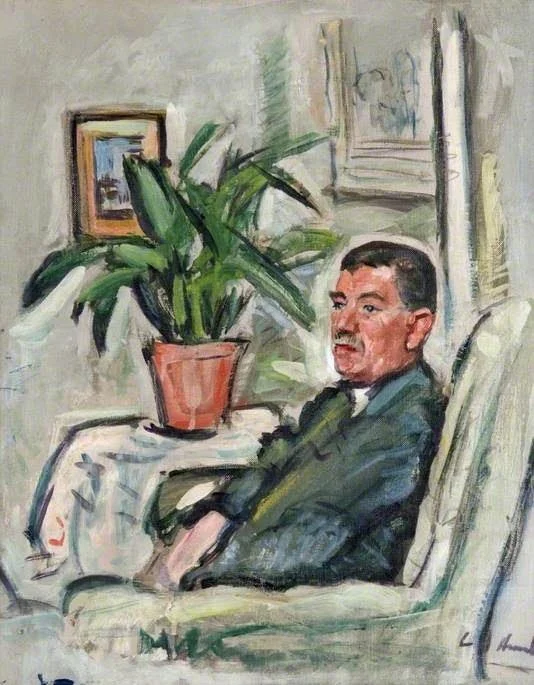
**CANCELLED** ATS Talks: William McInnes: a Mercantile Collector in early 20th century Glasgow
One of the many public spirited citizens that have enriched the Collections held within Kelvingrove is William McInnes. Between 1910 and 1944 McInnes amassed a significant collection of French Impressionist, Glasgow Boy and Scottish Colourist paintings which he bequeathed to the City of Glasgow. In 1944 the bequest catapulted the French representation in the civic collections of Glasgow to major significance.
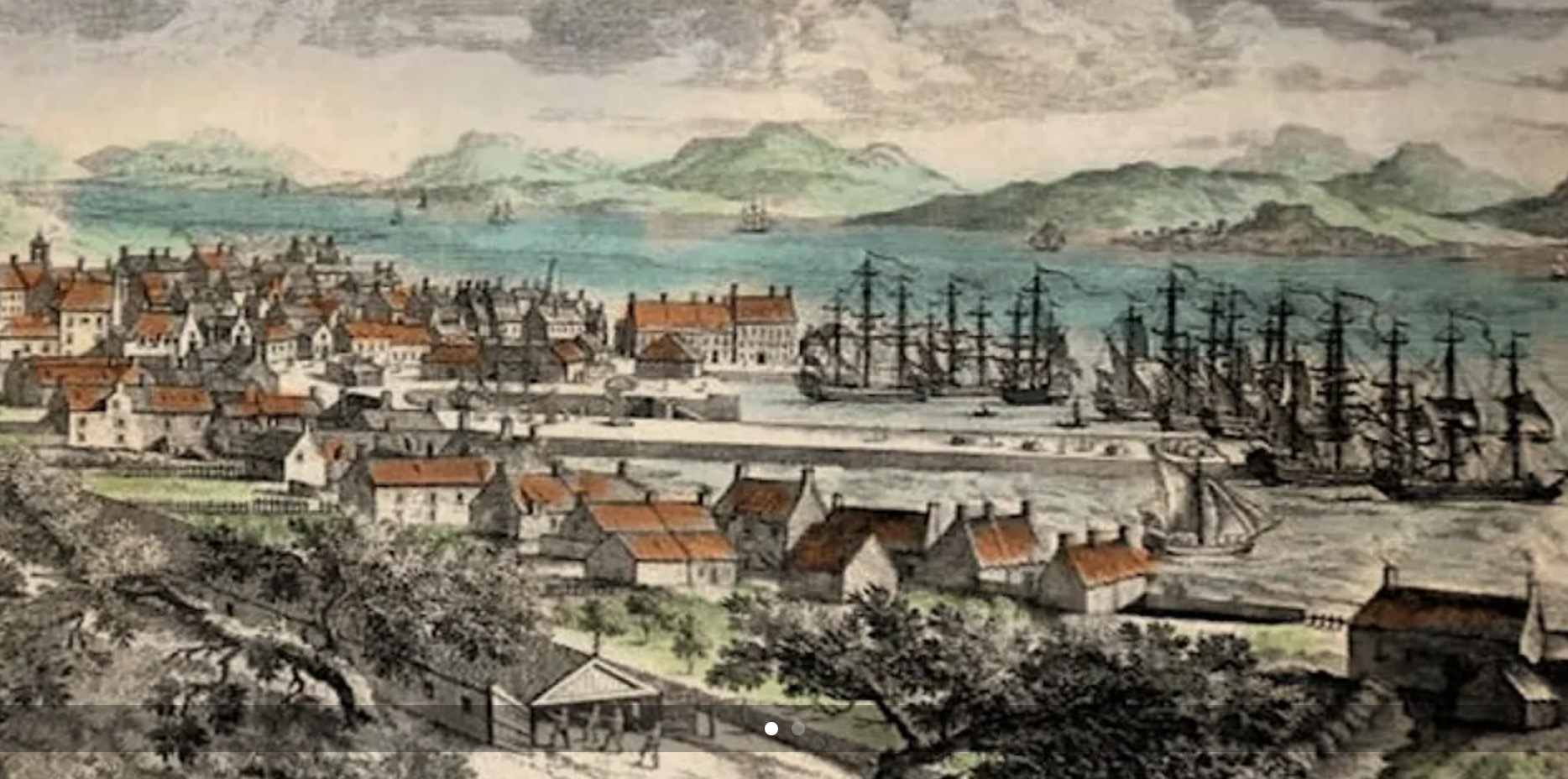
Glasgow 850 Talk: Glasgow's Tobacco Lords and the Merchant City
The rise and fall of the men who 'financed' Glasgow's growth, but at what a cost? Kevin Scott explores the past and considers the future.
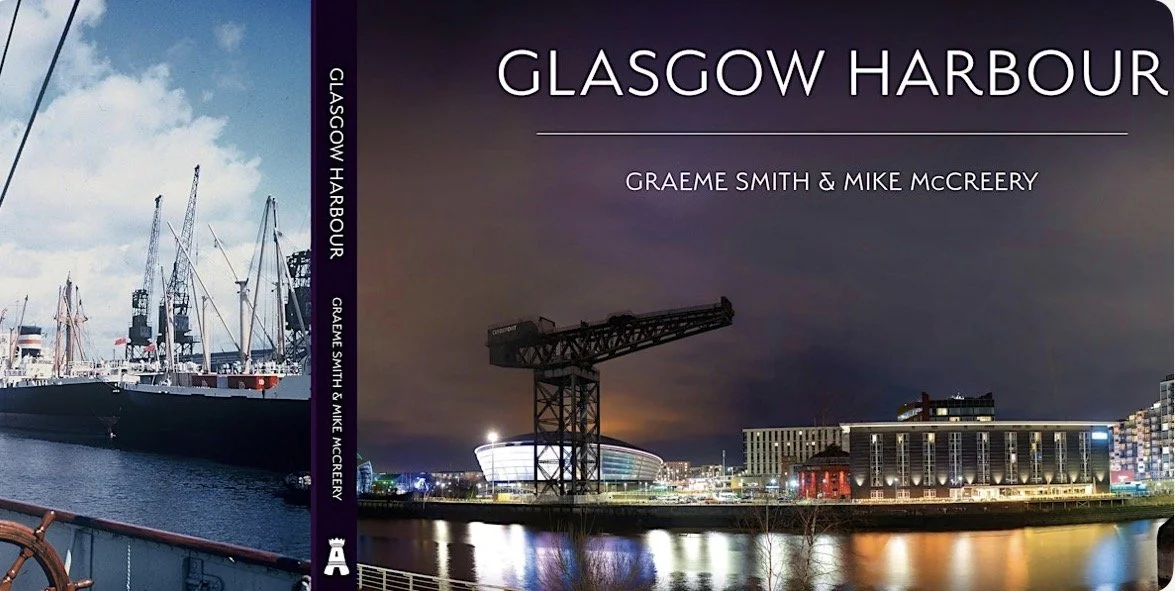
Glasgow850 Talk: The Blysthwood Festival: The Clyde and Glasgow Harbour
From a river 15 inches deep in places at low tide, the Clyde made Glasgow the greatest port in Scotland, with 12 miles of docks and quays.
The largest town on the Clyde by the thirteenth century, Glasgow had ‘the Freedom of the River from Broomilaw to the Clochstane’ to the oceans and international trading. Even though it was only 15 inches deep in places at low tide. Glasgow became the greatest port in Scotland, with 12 miles of docks and quays, and the world centre of shipbuilding.
Travel though time, making the Clyde deep and useful, nourish invention, science, technology and education, start major shipping companies, engineering industries and shipbuilding of international renown. And regeneration when required.
With experience in building New Towns and the renewal of cities and economies, Graeme Smith writes and illustrates city life, growth and changes involving businesses, international trading, education and entertainment. His family has included sea captains, engineers and a marine superintendent.
This talk is held in conjunction with the Blythswood Festival.
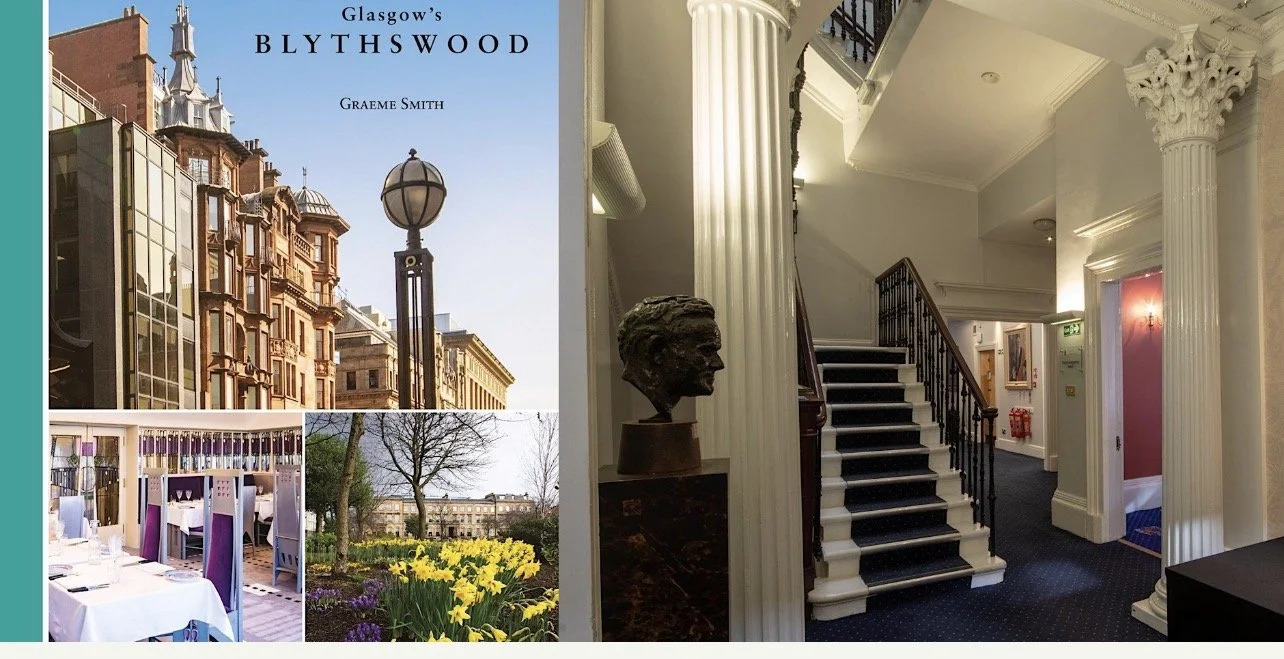
Glasgow 850 Talk: The Blysthwood Festival: The Making of Glasgow’s Blysthwood
Grame Smith reveals the history of Blythswood.
Graeme Smith on the making of Glasgow’s first New Town built on the historic Lands of Blythswood.
See and hear about the making of Glasgow’s first New Town built on the historic Lands of Blythswood. Up and over Blythswood Hill, creating all the streets west of a very new Buchanan Street.
Including the creation by weaver William Harley of its streets, first townhouses, vast pleasure gardens, first indoor public baths in Scotland and the first hygienic dairy in Europe. And calico printer James Scott’s expansion of Blythswood to include Bothwell Street and its links west following the Clyde.
With experience in building New Towns and the renewal of cities and economies, Graeme Smith writes and illustrates city life, growth and changes involving businesses, international trading, education and entertainment. He has helped campaigns for the retention and re-uses of important buildings from the formative years of the New Glasgow Society and the Scottish Georgian Society onwards.
This talk is in conjunction with the Blythswood Festival.
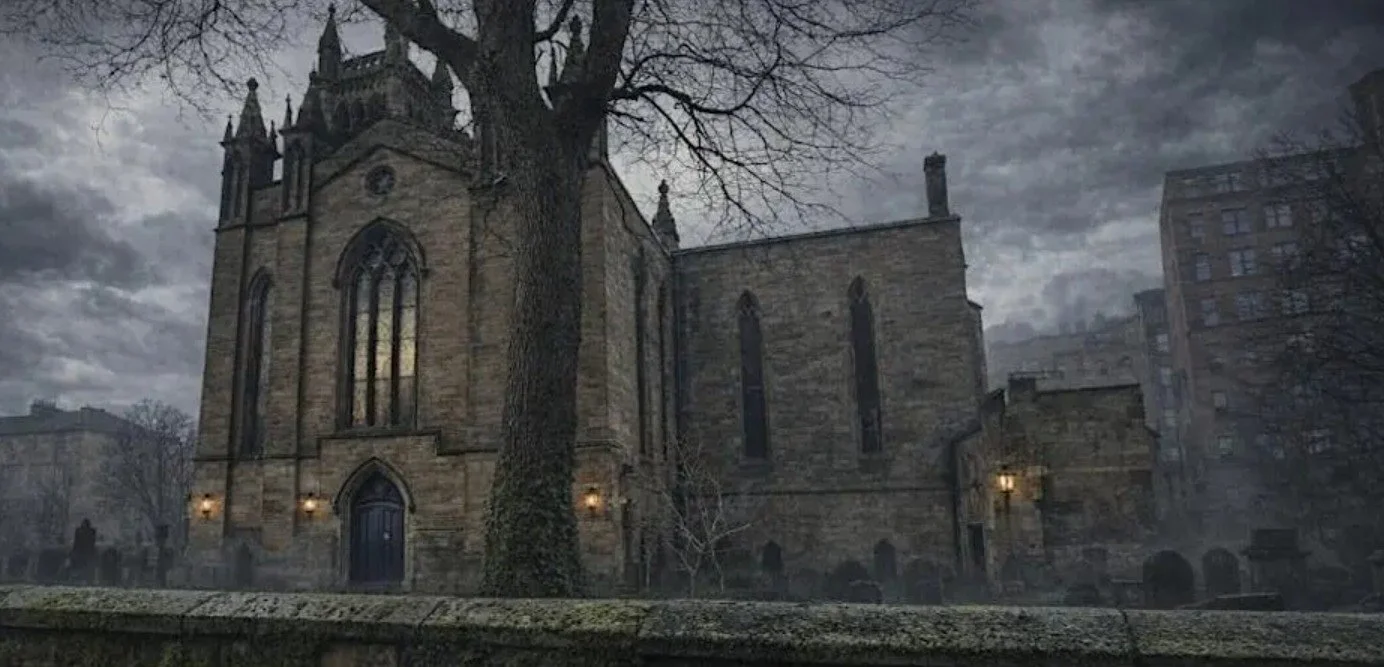
Glasgow 850 Talk: All that Remains: Tales from the Ramshorn Kirkyard
Historian Lorraine Murray unearths the dark histories of the dearly departed from the second city of the Empire.
ATS Talks: Architecture and Urbanism in late Georgian Edinburgh
The Annual ATS Gavin Stamp Lecture: Architecture and Urbanism in late Georgian Edinburgh: Thomas Hamilton and the Urban Picturesque
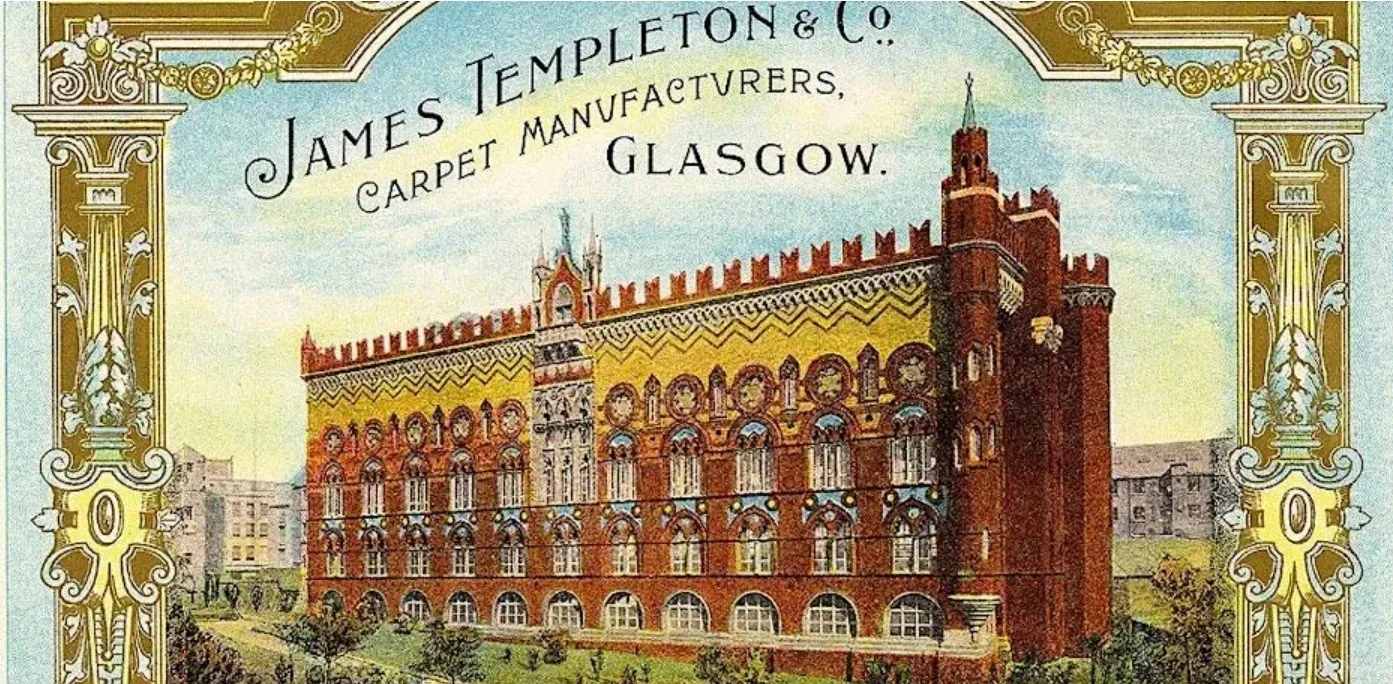
Glasgow 850 Talk: Bridgeton and the Calton
The 18th century creation of Bridgeton and the Calton signalled the start of Glasgow’s transition to an industrial city. Find out more.
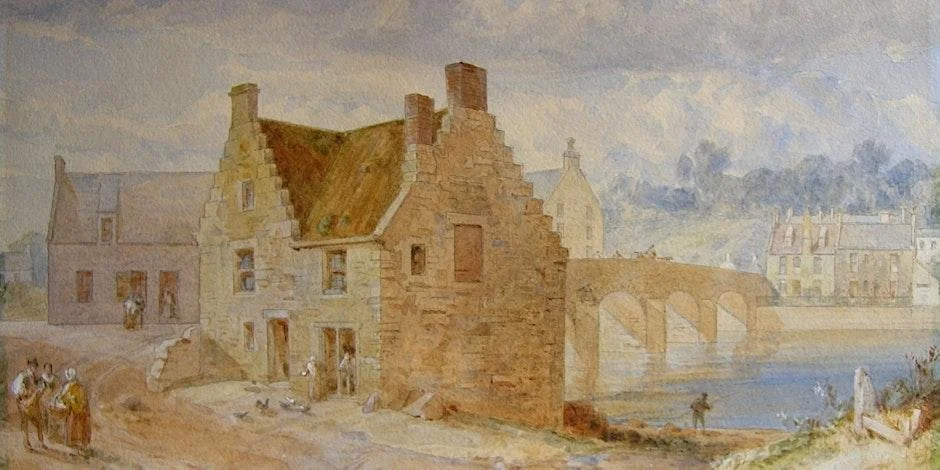
Glasgow 850 Talk: The Ancient and Historical Village of Patrick
An illustrated talk by Gordon Urquhart on the development of Partick from its earliest days as a medieval milling centre and bishopric retreat through to its formative years of heavy industry in the 19th century. The recent archaeological discoveries on the Bishop’s Castle site will also feature.
Gordon Urquhart is an historian, author and educator with forty years’ experience in Scotland’s heritage sector.
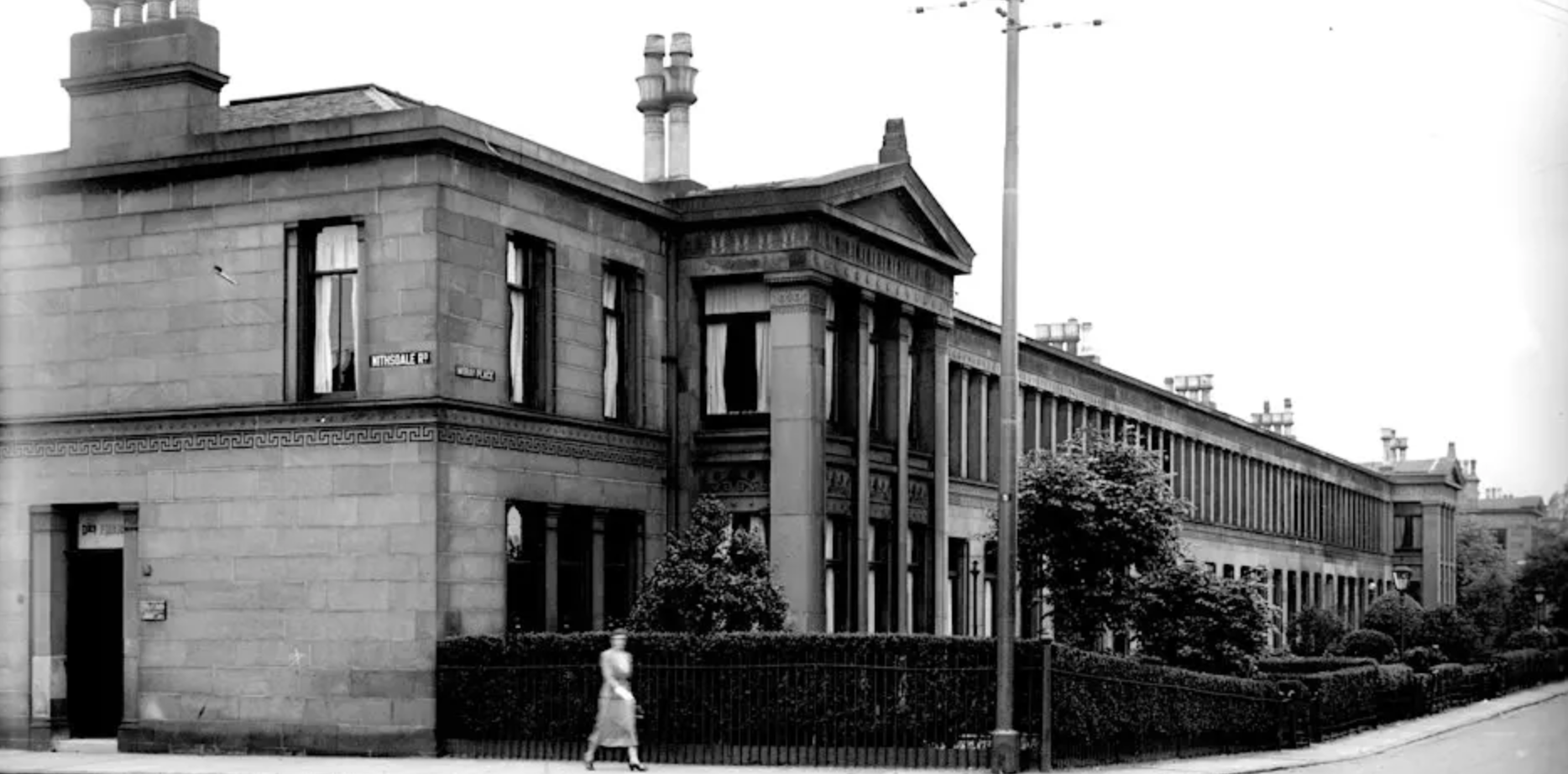
Glasgow 850 Talk: 'Greek' Thomson's builder: John McIntyre
Architects design, but builders build. Meet John McIntyre, who constructed much of 'Greek' Thomson's work on the south side of the city.
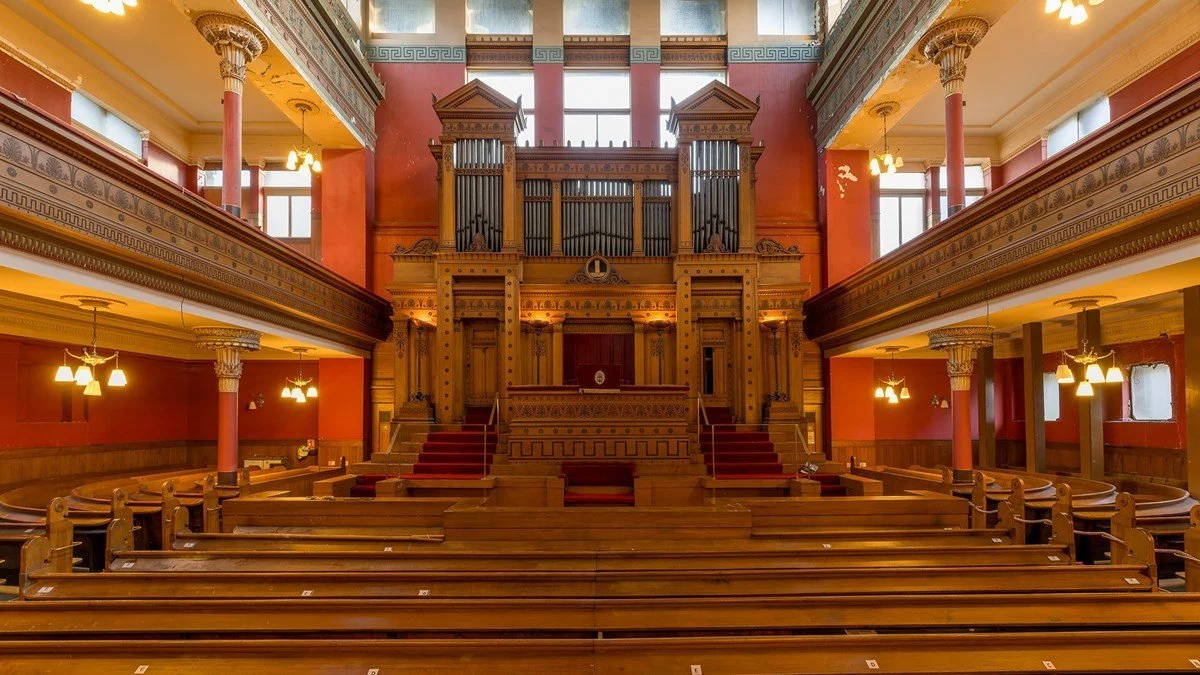
St Vincent Street Church Business Case Consultation
An open discussion on The Alexander Thomson Society’s draft Business Case for the future of St Vincent Street Church.
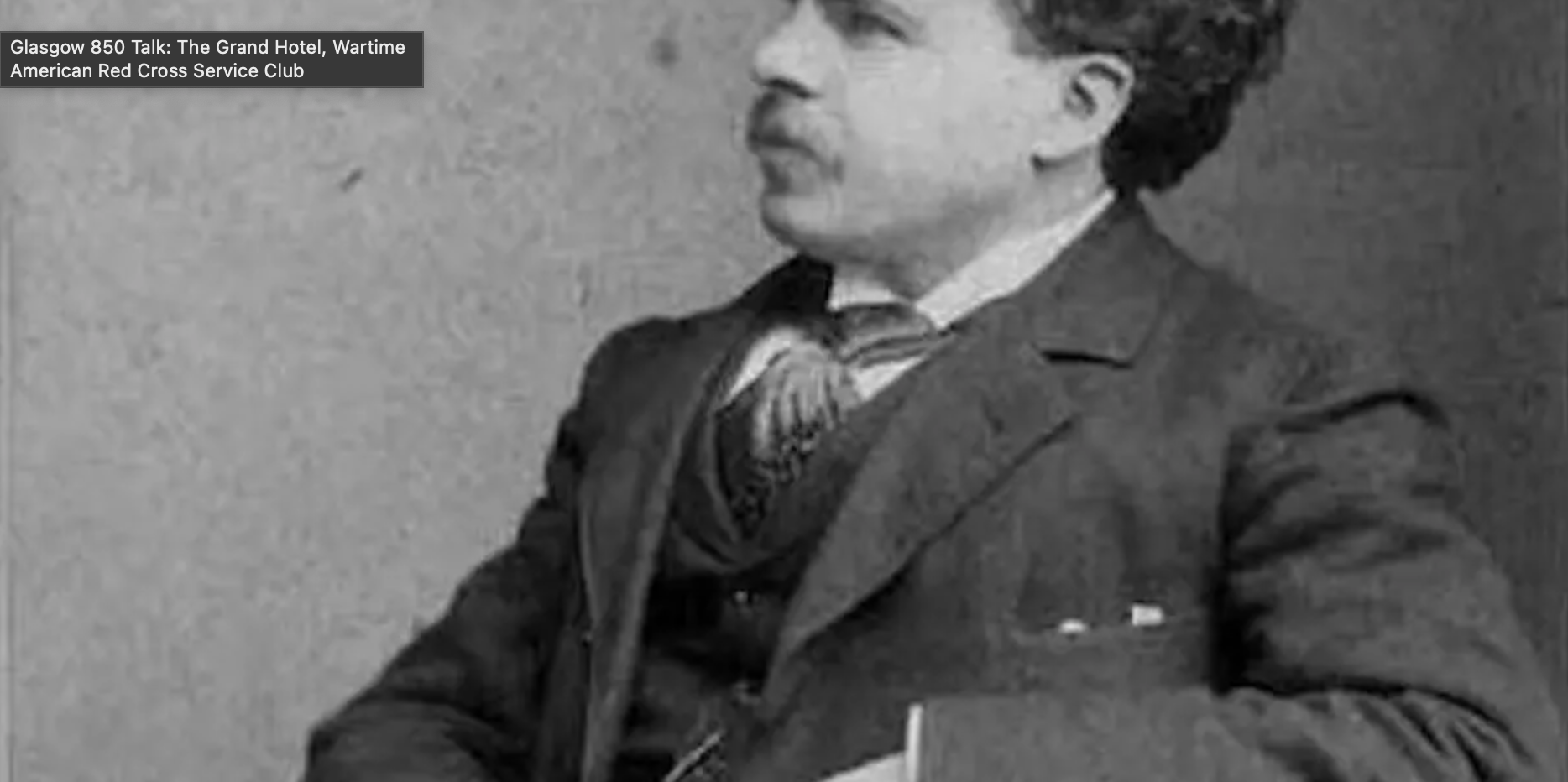
Glasgow 850 Talk: Frederic Lamond: Glasgow-born classical pianist and composer
A Bridgeton boy who went on to become one of Europe’s greatest piano virtuosi: Raymond Thomson tells of Frederic Lamond's life.
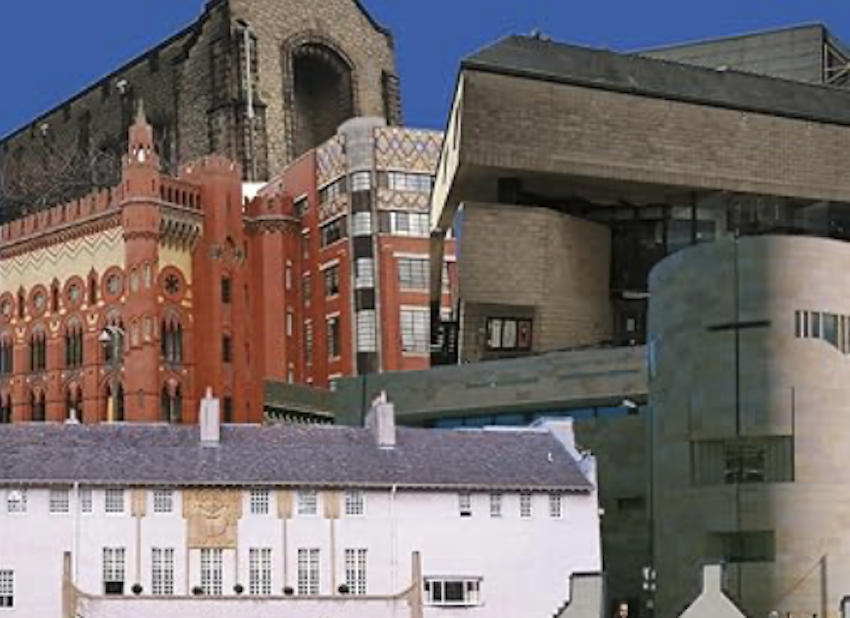
ATS Talks: Glebe Street and Auchenshoogle, the Scottishness of Scottish architecture
Edinburgh architect and author Roger Emmerson looks at the Scottish roots and expressions of Scottish architecture.
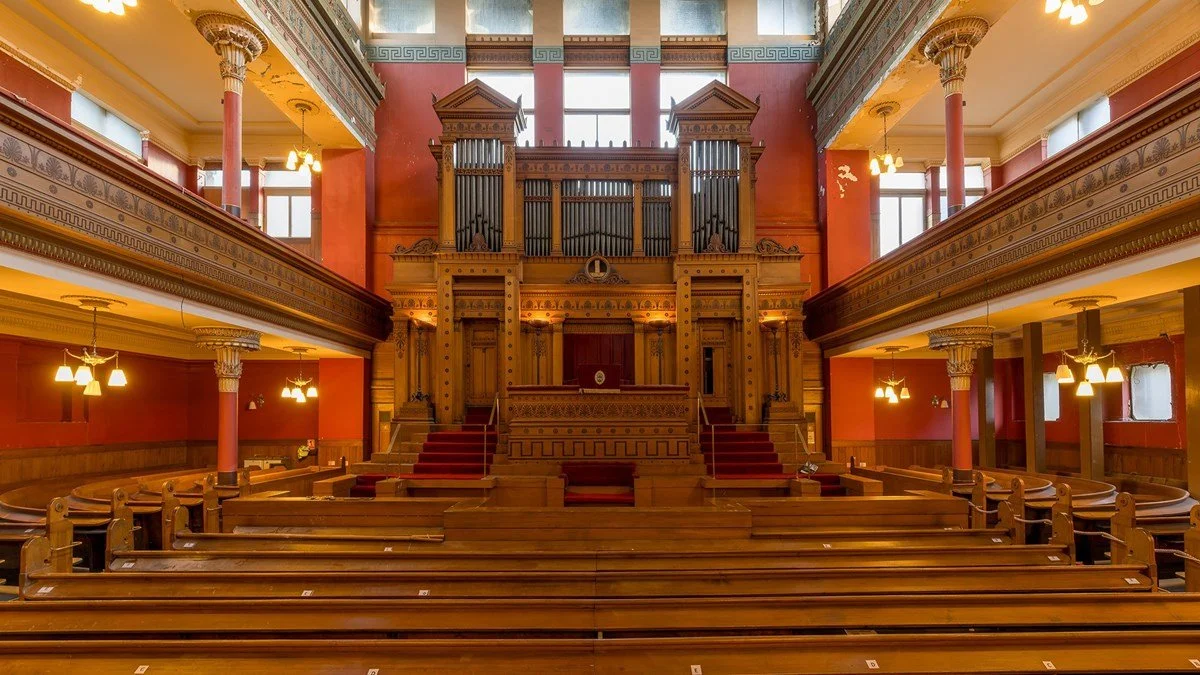
Planning a future for St Vincent Street Church
A public consultation and display of the Society’s Draft Business Plan for the future use of St Vincent Street Church.
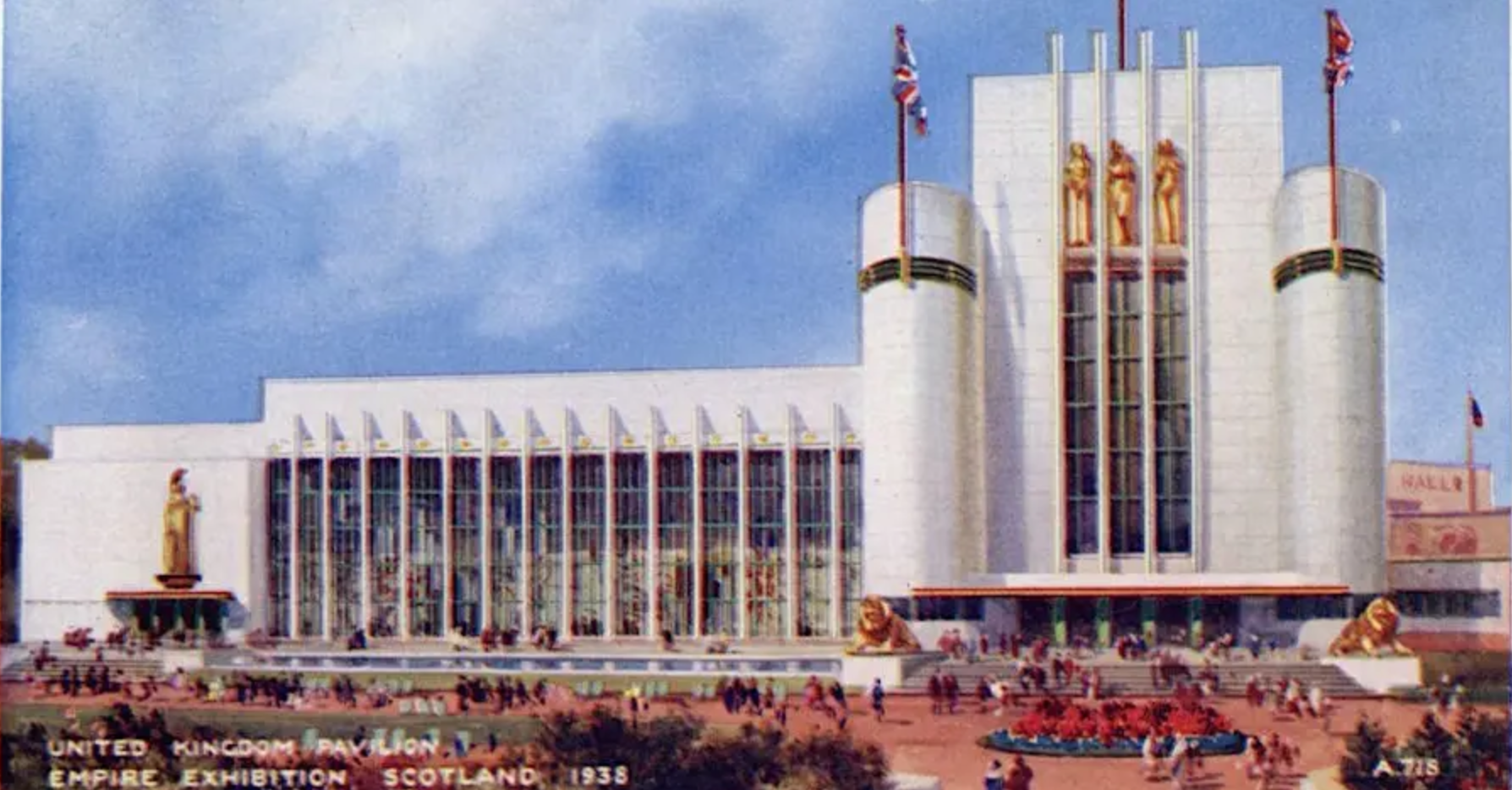
Glasgow 850 Talk: The 1938 Empire Exhibition
Tait’s Tower as a symbol of a potential glorious, modern space-age? Find out more about Glasgow's 1938 Empire Exhibition.
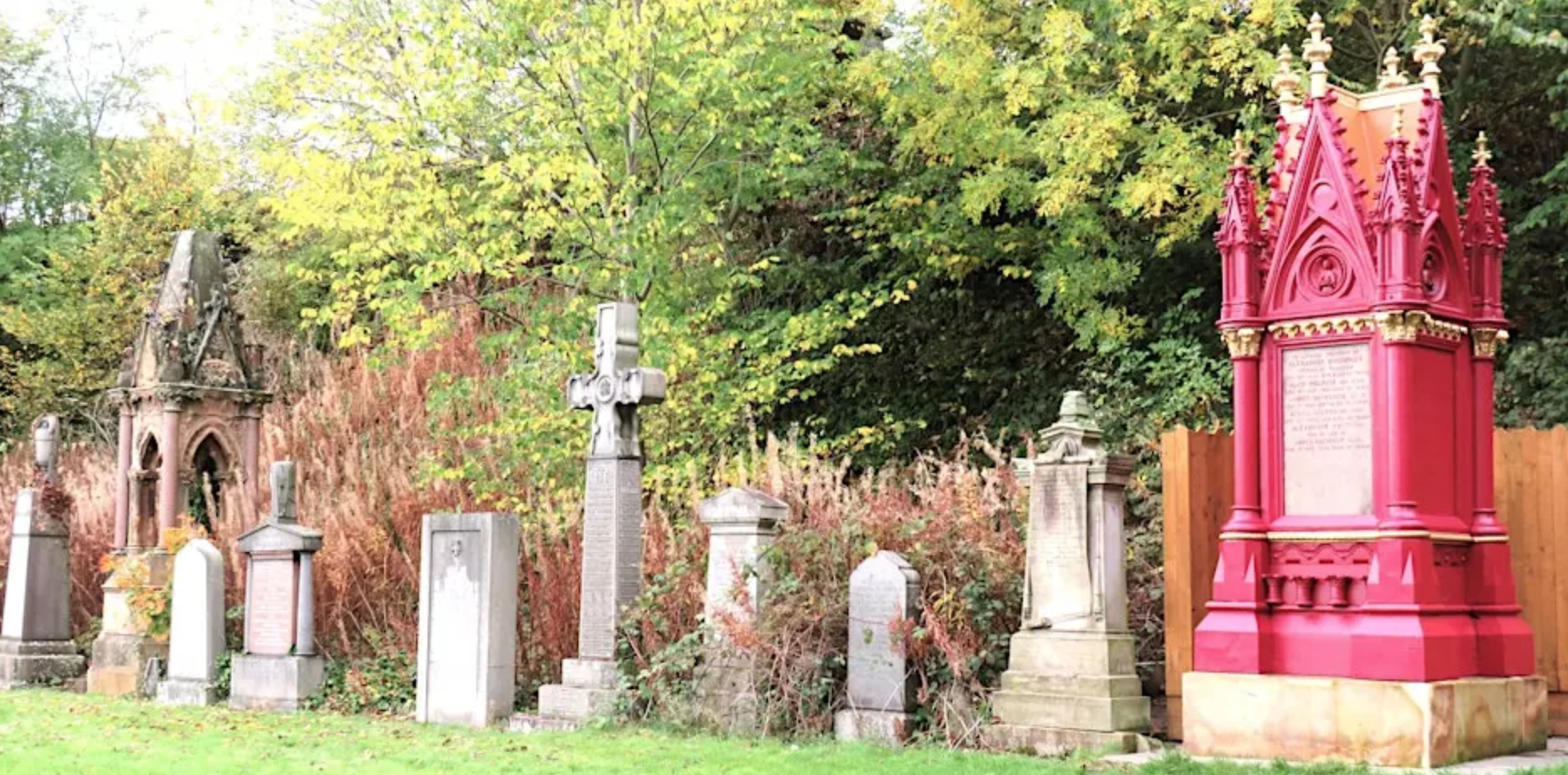
Glasgow 850 Talk: Glasgow sculpture in the city's 850th anniversary year
Gary Nisbet, a specialist in the sculpture that adorns Glasgow and its buildings, discusses recent discoveries during Glasgow850.
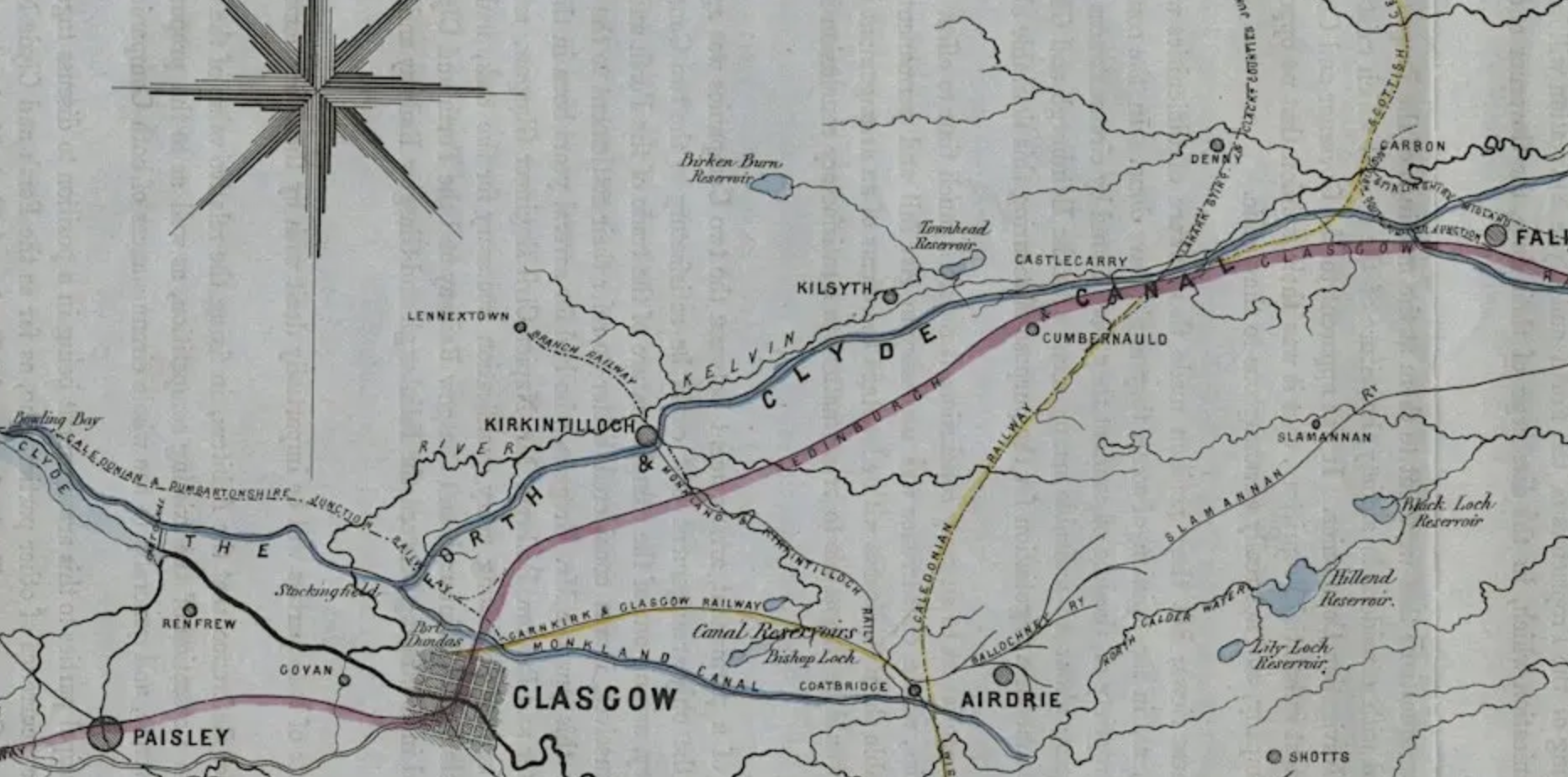
Glasgow 850 Talk: The Forth and Clyde Canal
The largest civil engineering task in Scotland since the Antonine Wall, and the first sea-to-sea canal in the world. Find out more.
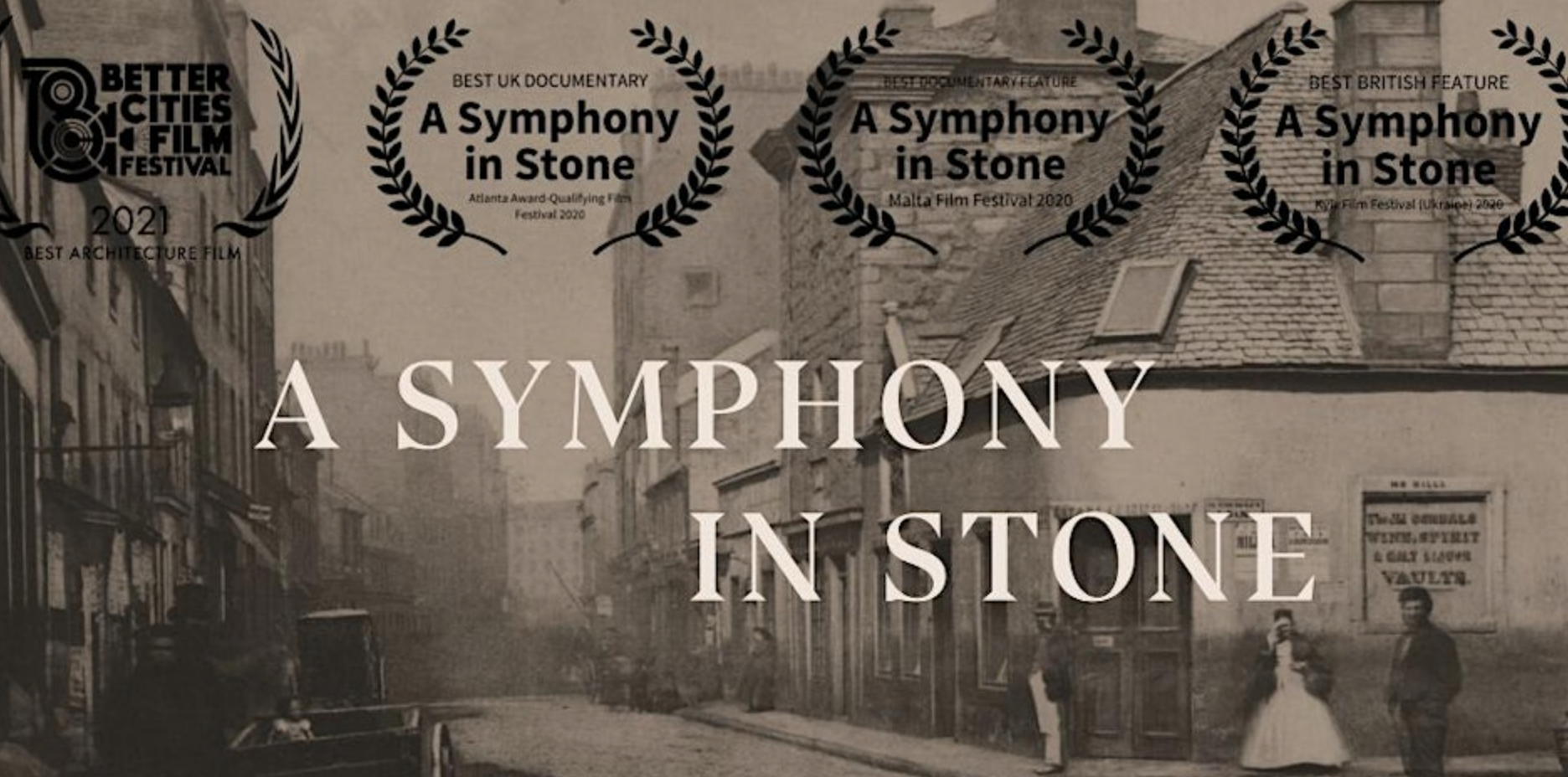
ATS Events and Talks
Tony Burton’s award-winning film uncovers the genius behind Glasgow’s extraordinary Victorian and Edwardian heritage of buildings.
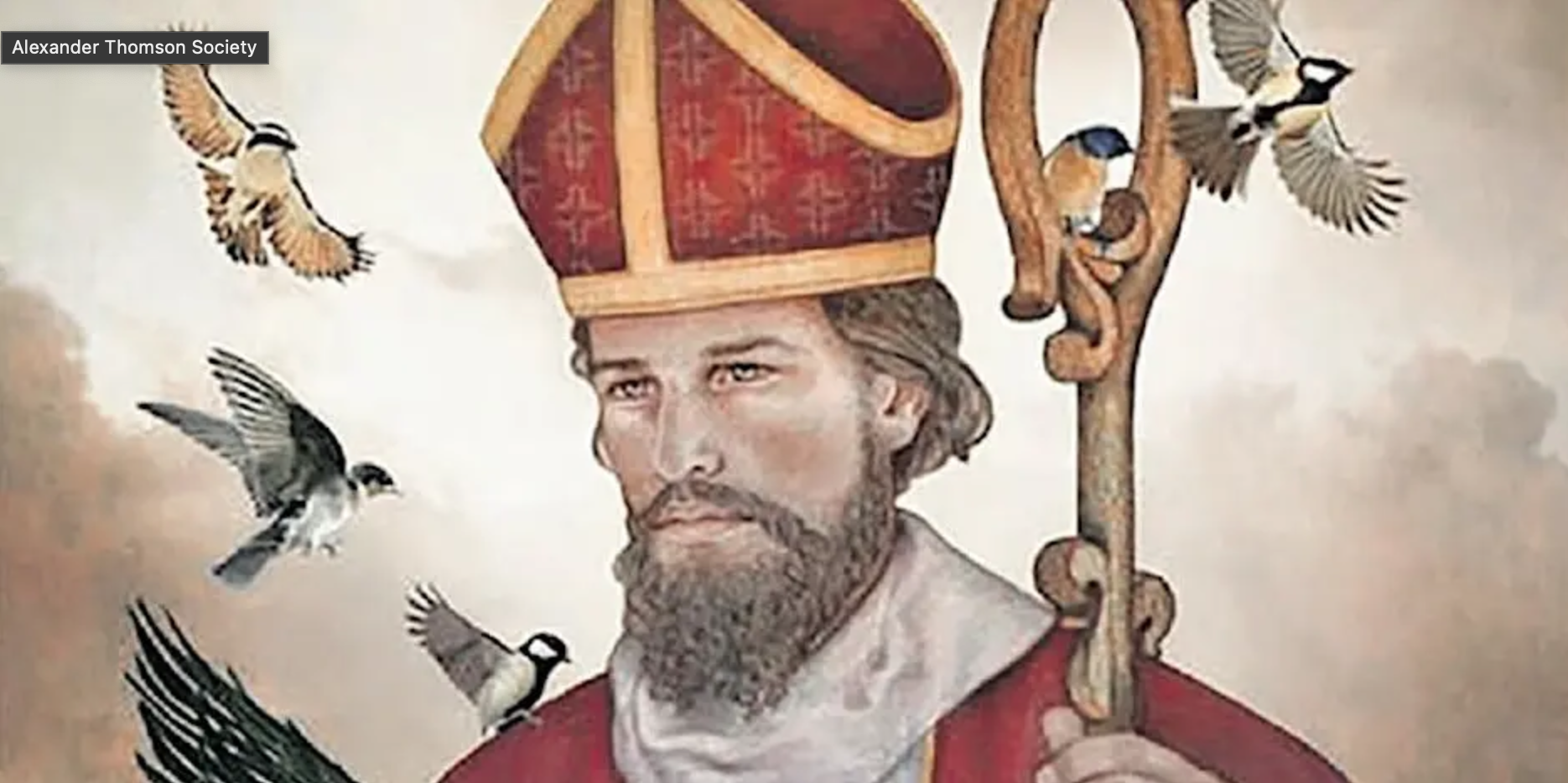
Glasgow 850 Talk: A Love Letter to Glasgow
Neil Baxter, historian (and earlier creator of Glasgow's 'City of Love Festival') considers love and Glasgow's links with St Valentine.
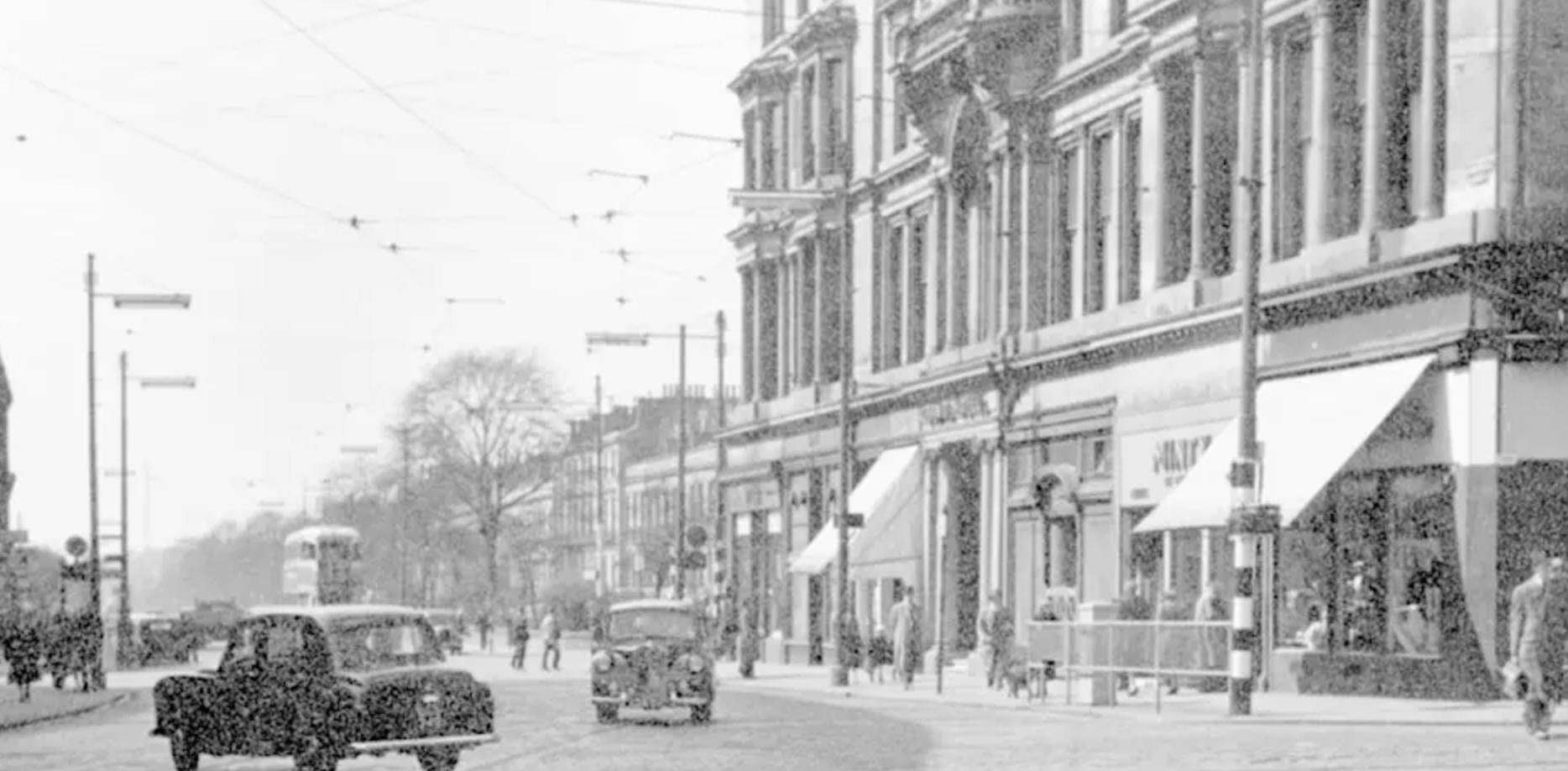
Glasgow 850 Talk: The Grand Hotel, Wartime American Red Cross Service Club
Dr Kevin Morrison looks at Glasgow’s iconic Grand Hotel, repurposed as an American Red Cross Club in World War Two.
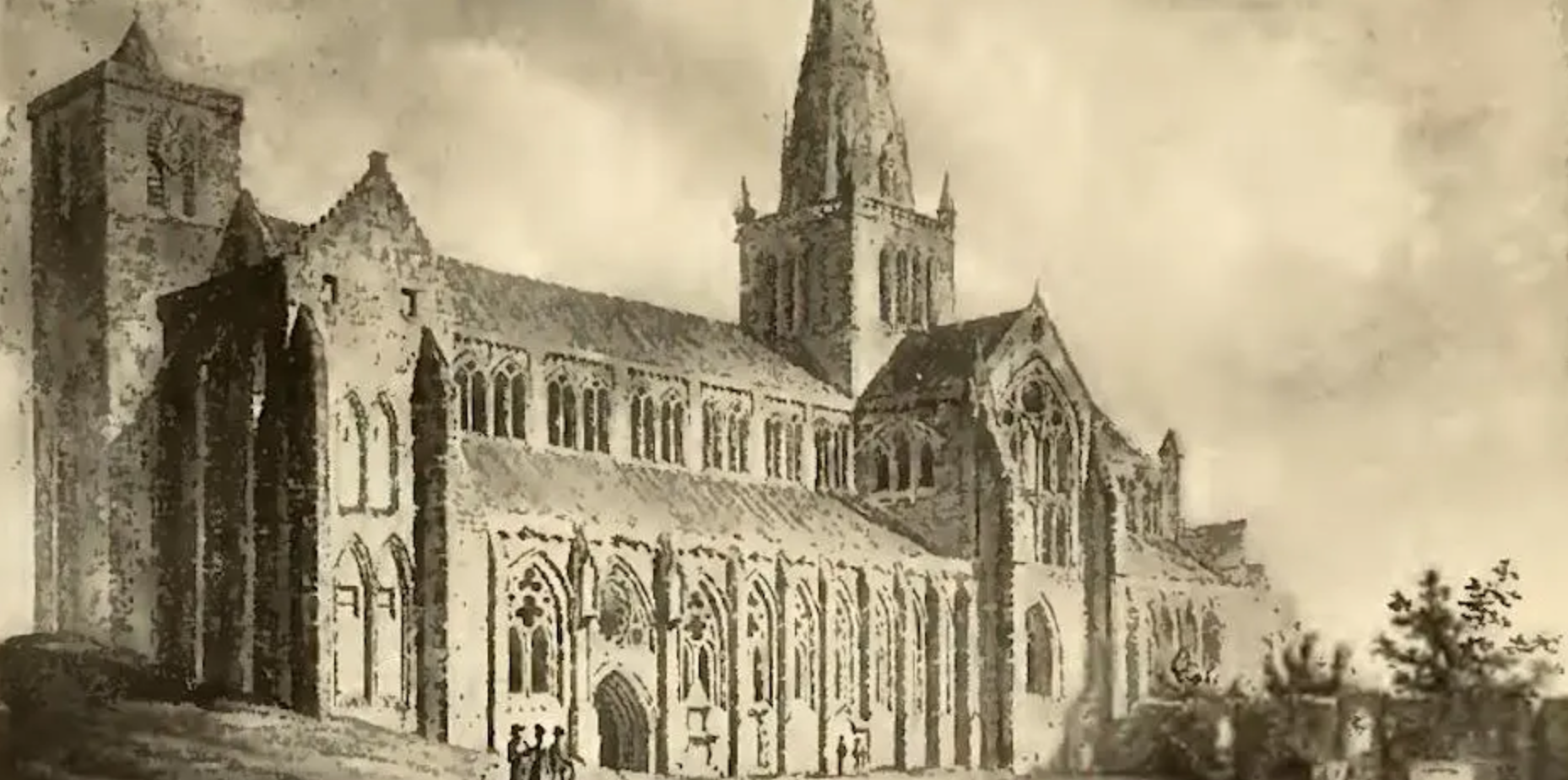
Glasgow 850 Talk: Glasgow Cathedral: Dingin' doon the Towers
At Glasgow Cathedral in the 19th Century, a major outcome of renovation plans was to demolish its two western towers.
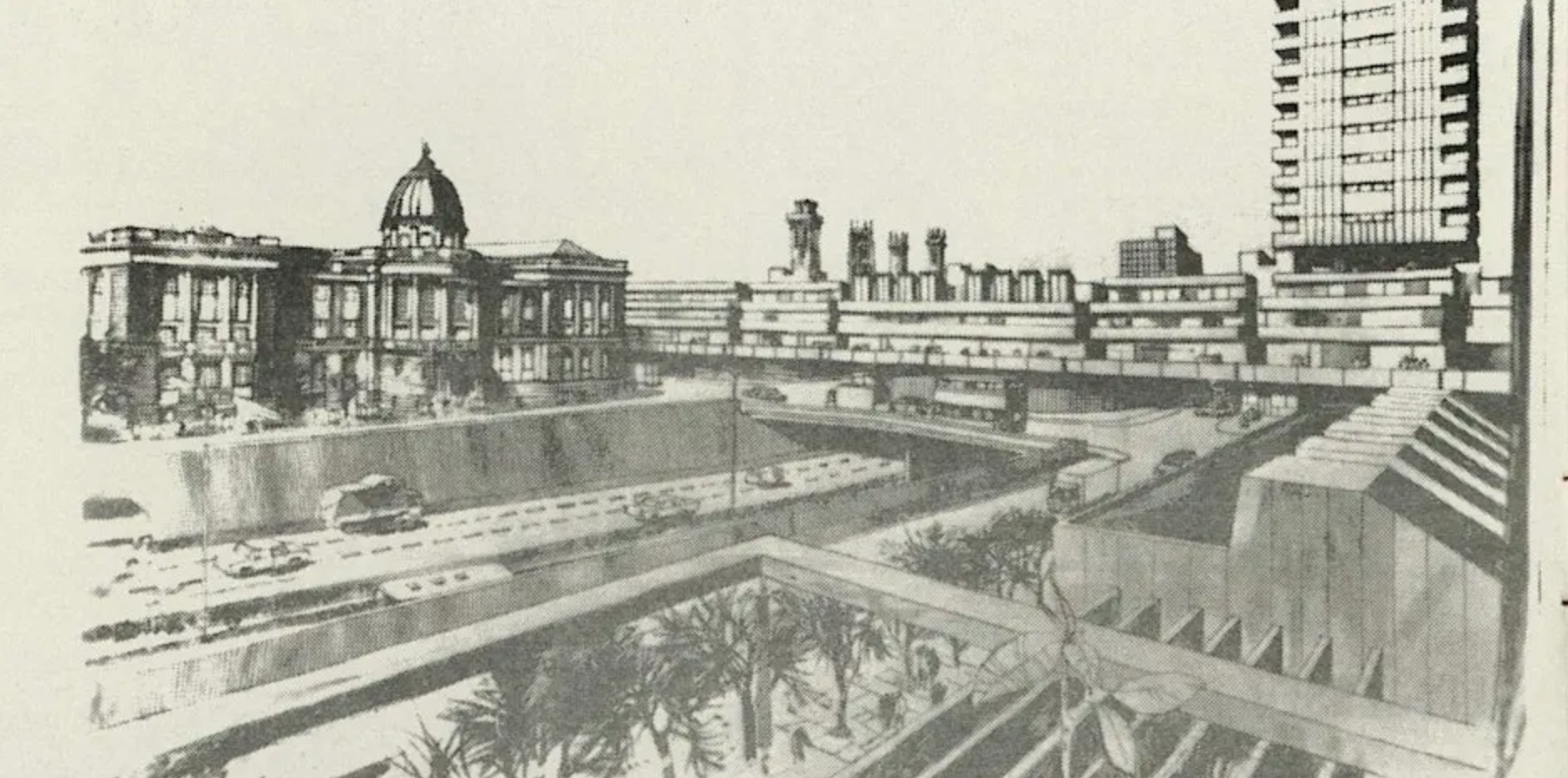
Glasgow 850 Talk: New Glasgow Society talk
Thierry Lye, Vice-Chair of the New Glasgow Society, explores the city's future through the lens of the Society’s sixty-year legacy.
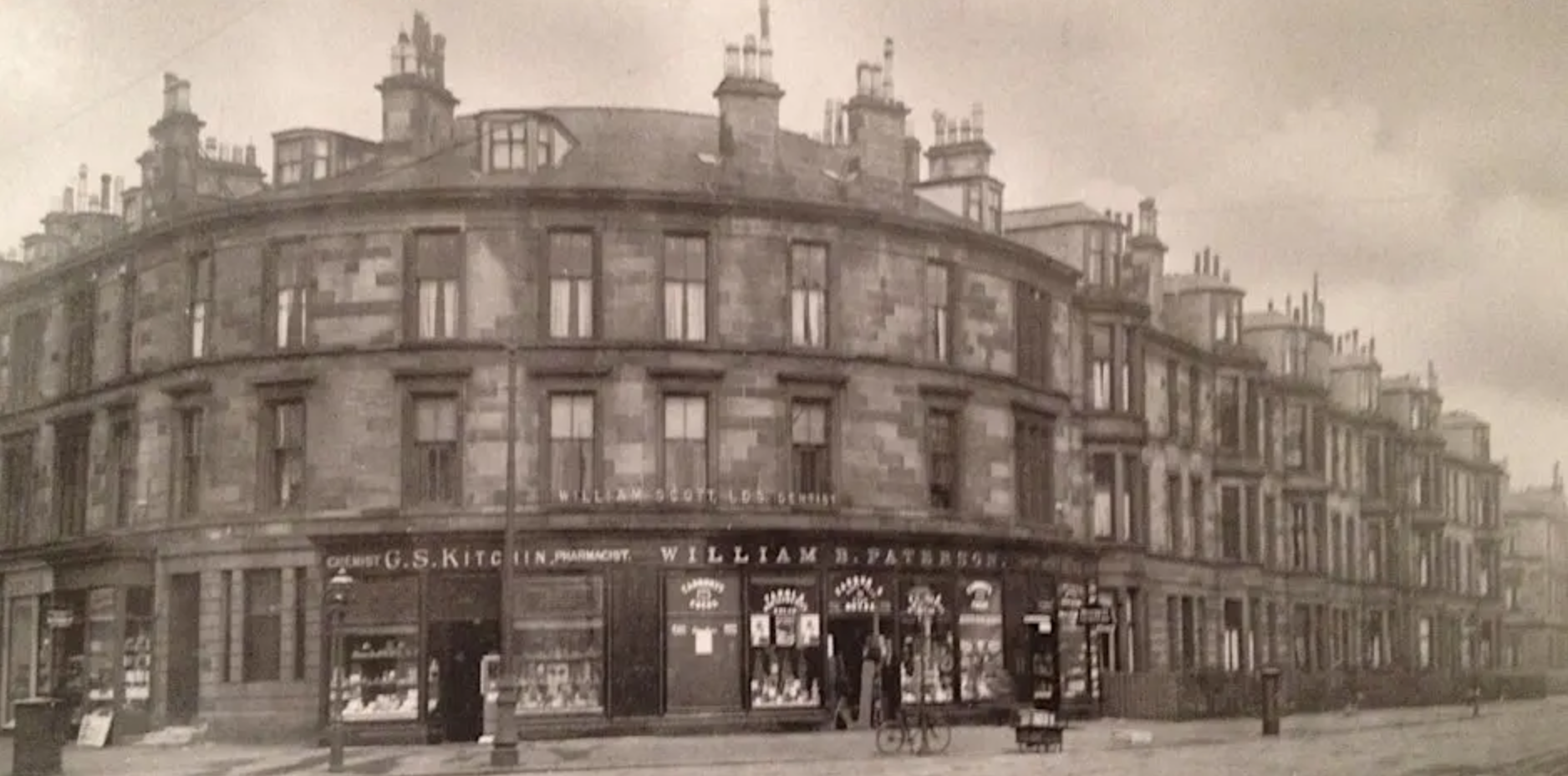
Kitchin's Corner and 'Greek' Thomson's builder
Dominic d'Angelo looks at the history of Rosslyn Terrace, including Kitchin's Corner and John McIntyre, 'Greek' Thomson's builder
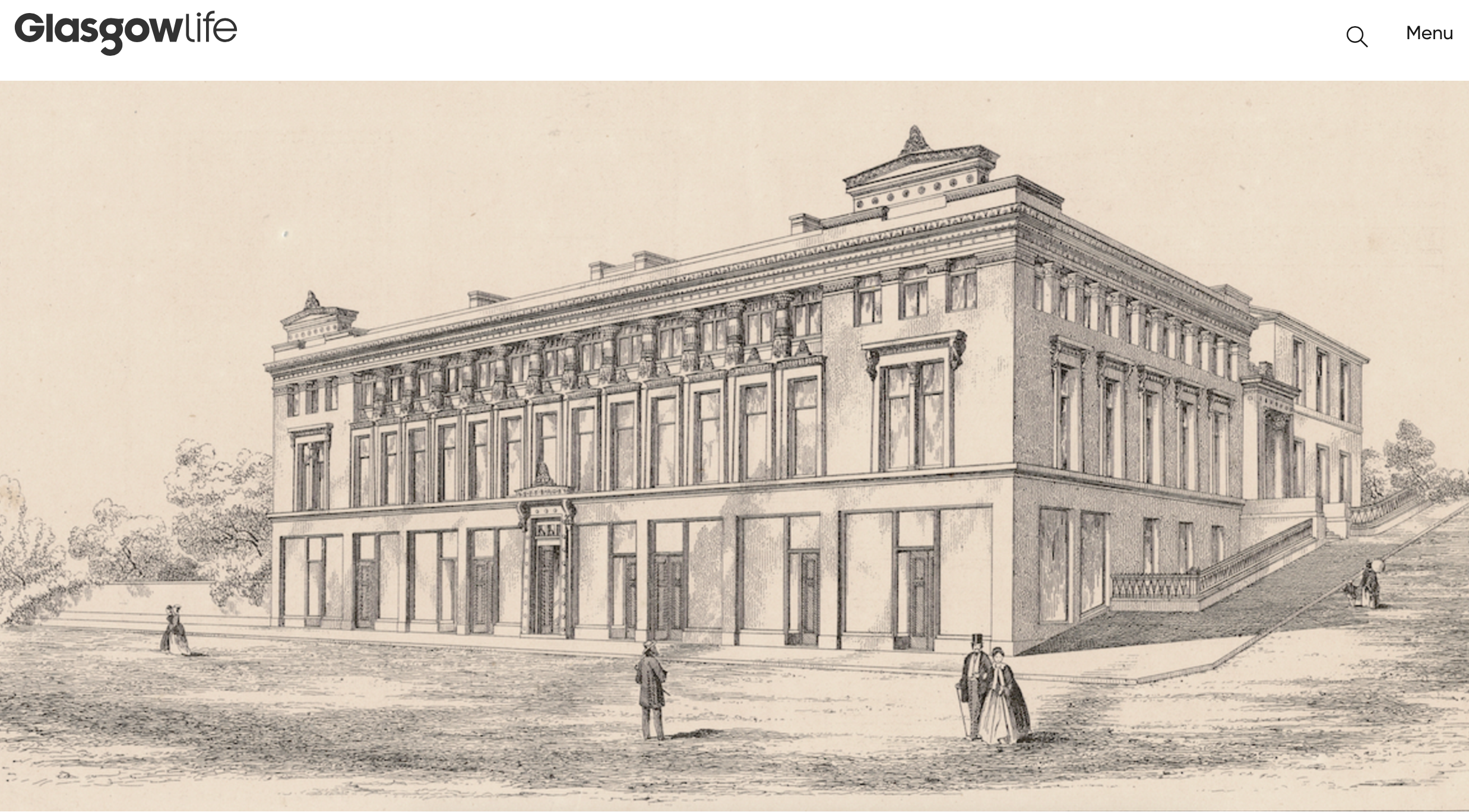
Thomson 150 Talk
Join us and Glasgow Life for an introductory talk on Alexander's architectural work and legacy on Thursday 15 January at 6.00pm
Thomson 150 Exhibition
Our Thomson150 Exhibition hosted by Glasgow Life at Edward House.
Use calendar to explore all past and current events